
Mauritania Solo: Where the Desert Tests You—and the People Change You
There are places you travel to relax, and then there are places that completely redefine what travel means. Mauritania is the latter. It’s raw, remote, and wildly untamed—and as a 51-year-old woman, it became one of the most empowering experiences of my life. This isn’t a destination where things are polished or predictable. It’s a place where you surrender control, lean into the unknown, and discover not just the world—but yourself.
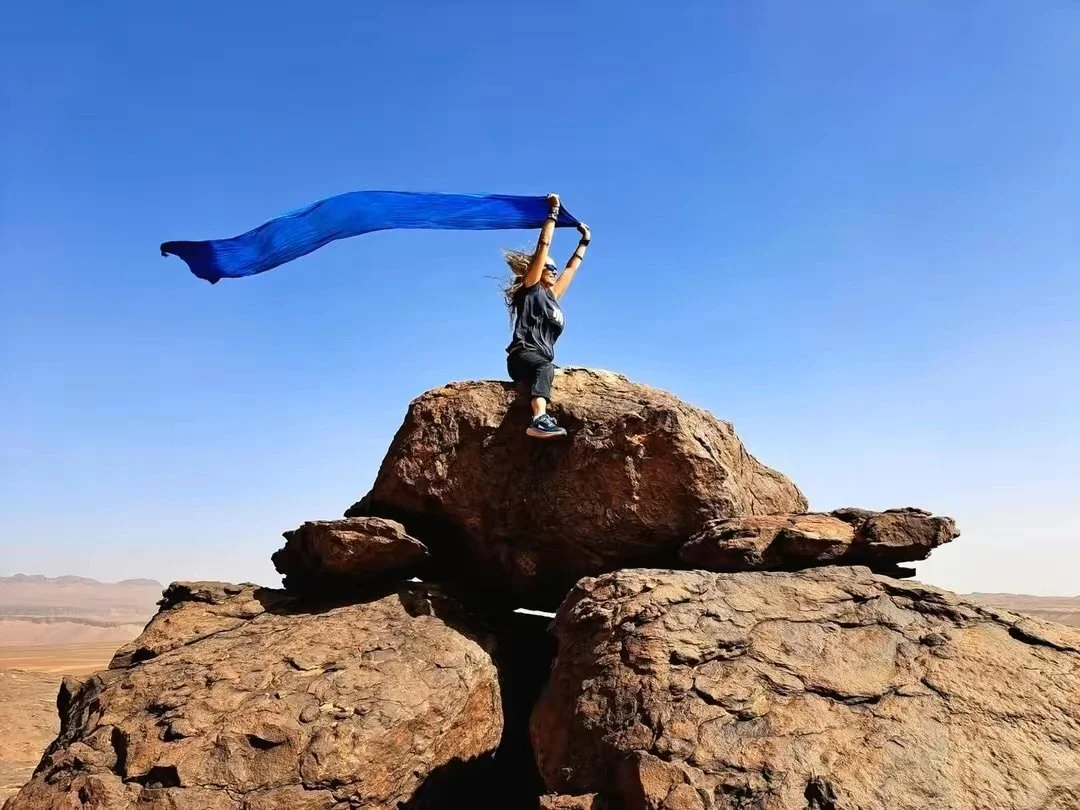
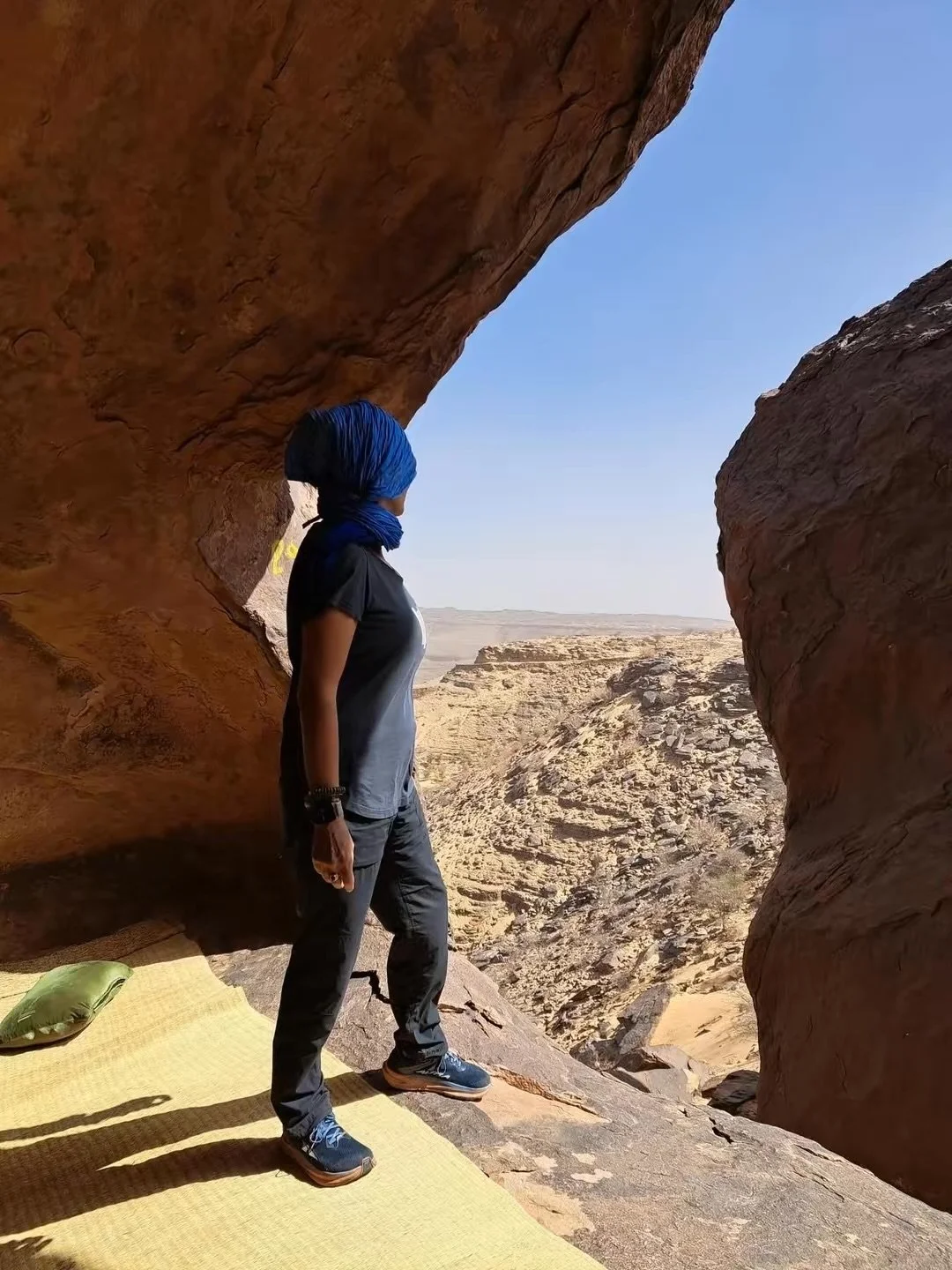
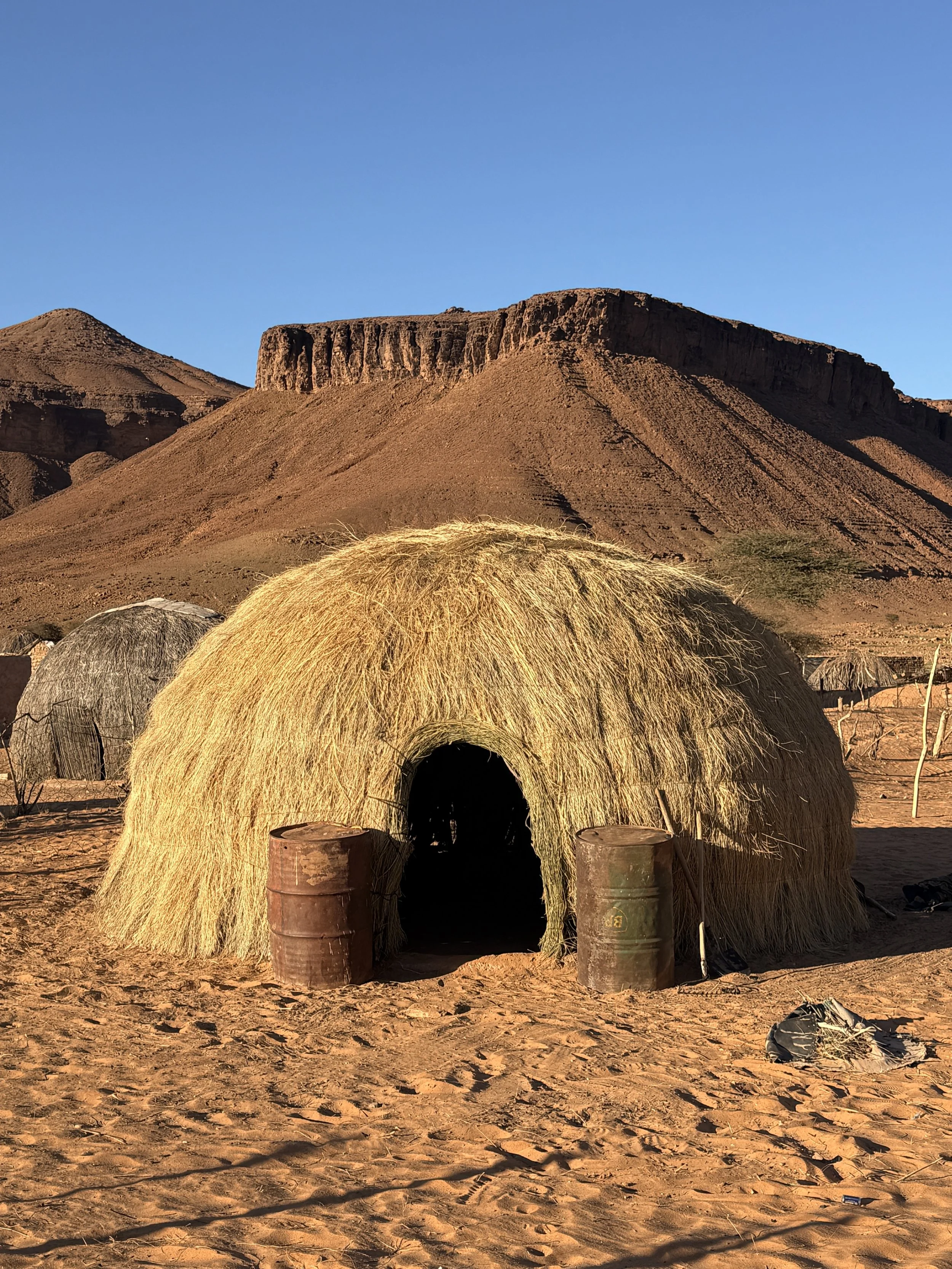
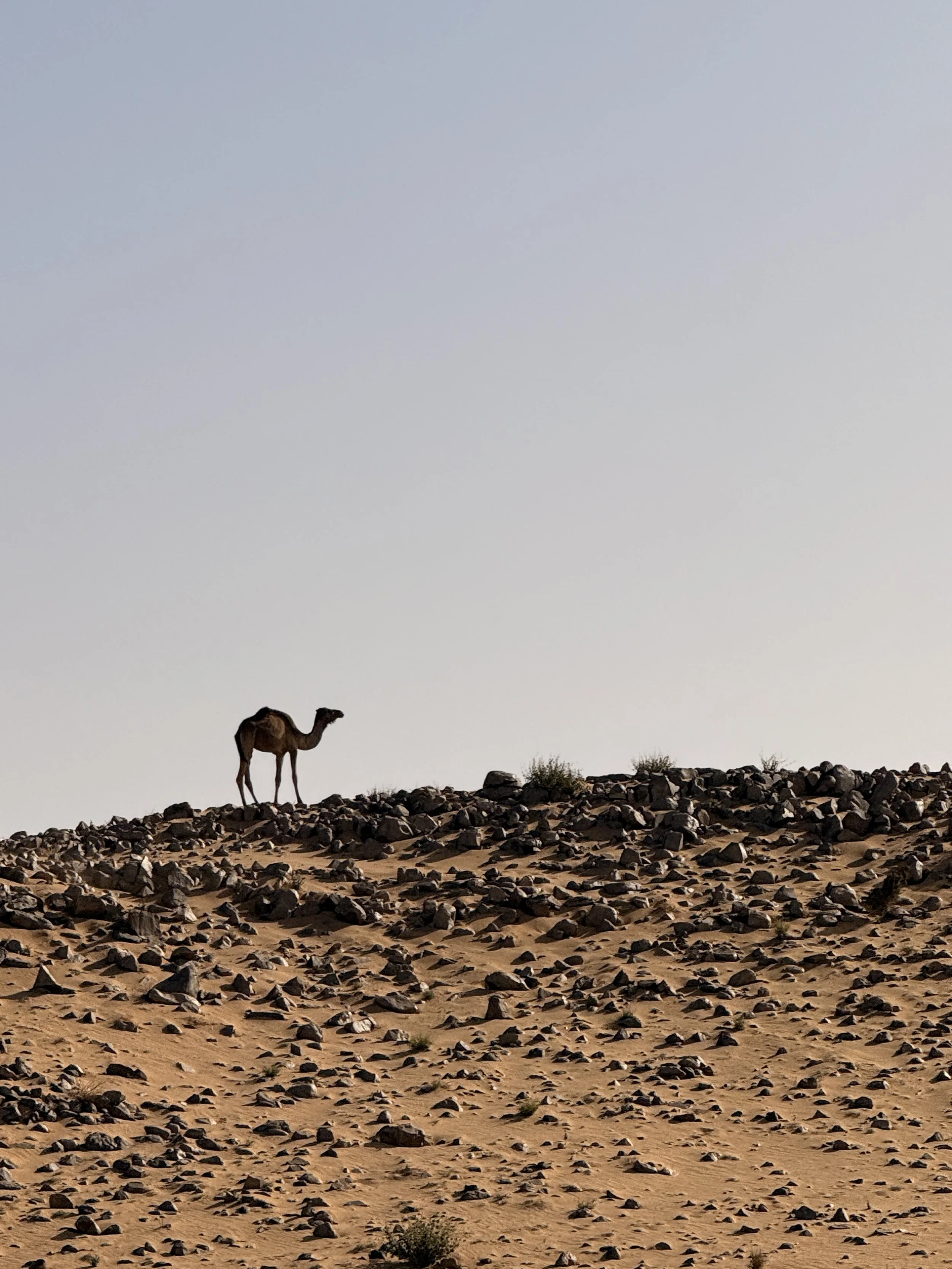
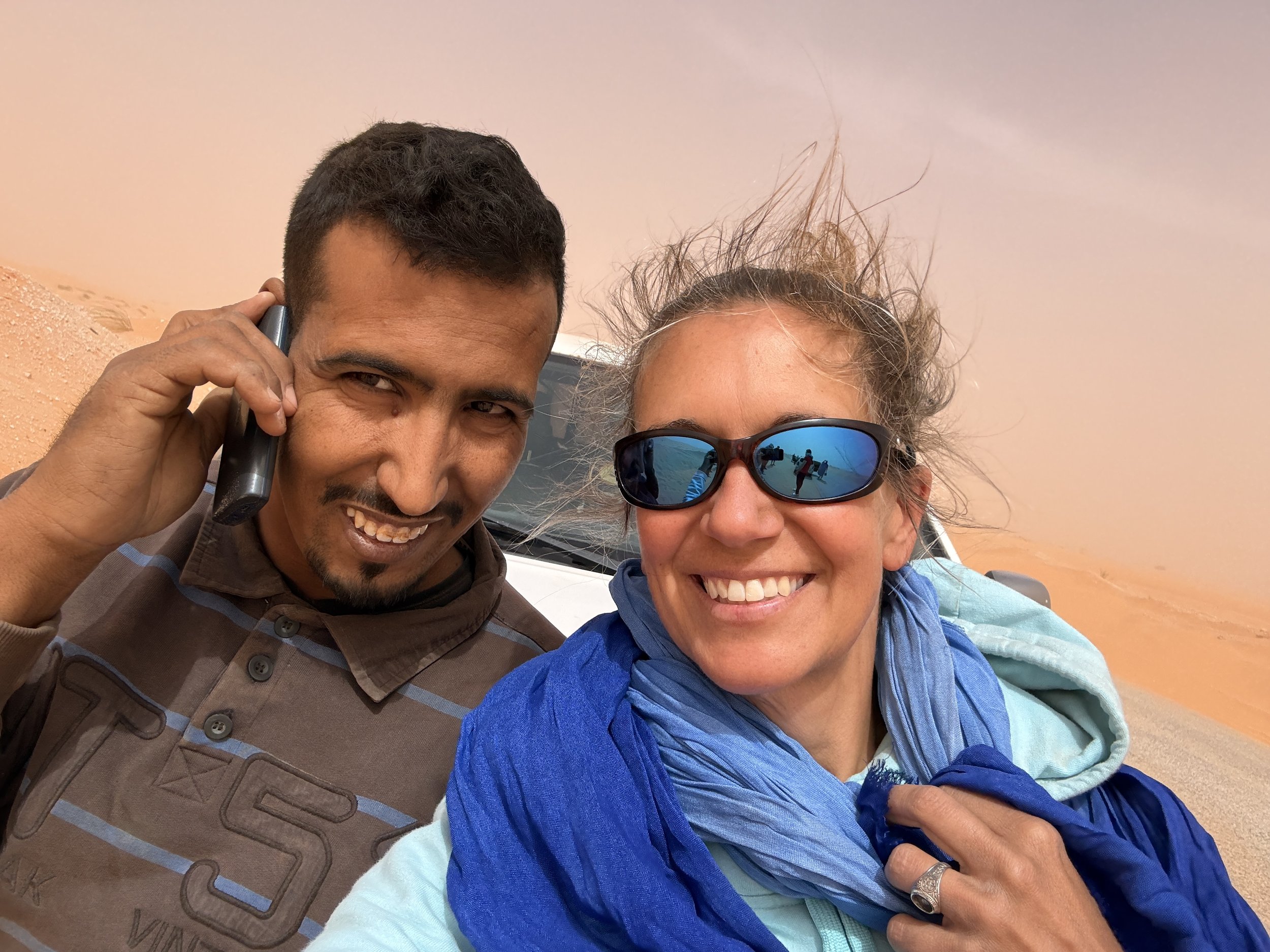
Some days began racing across the Sahara in trucks, flying over endless waves of sand with nothing but horizon in every direction. Along the way, we’d pass random camels—wandering freely, completely at home in this vast landscape. The scale of it all is hard to comprehend until you’re in it. And then, just as quickly, everything slows down. Climbing to the top of towering sand dunes to watch the sunset, step by step, until the sky turns every shade of gold and fire. Standing there alone, yet completely connected to everything around you, you realize how powerful solitude can be.
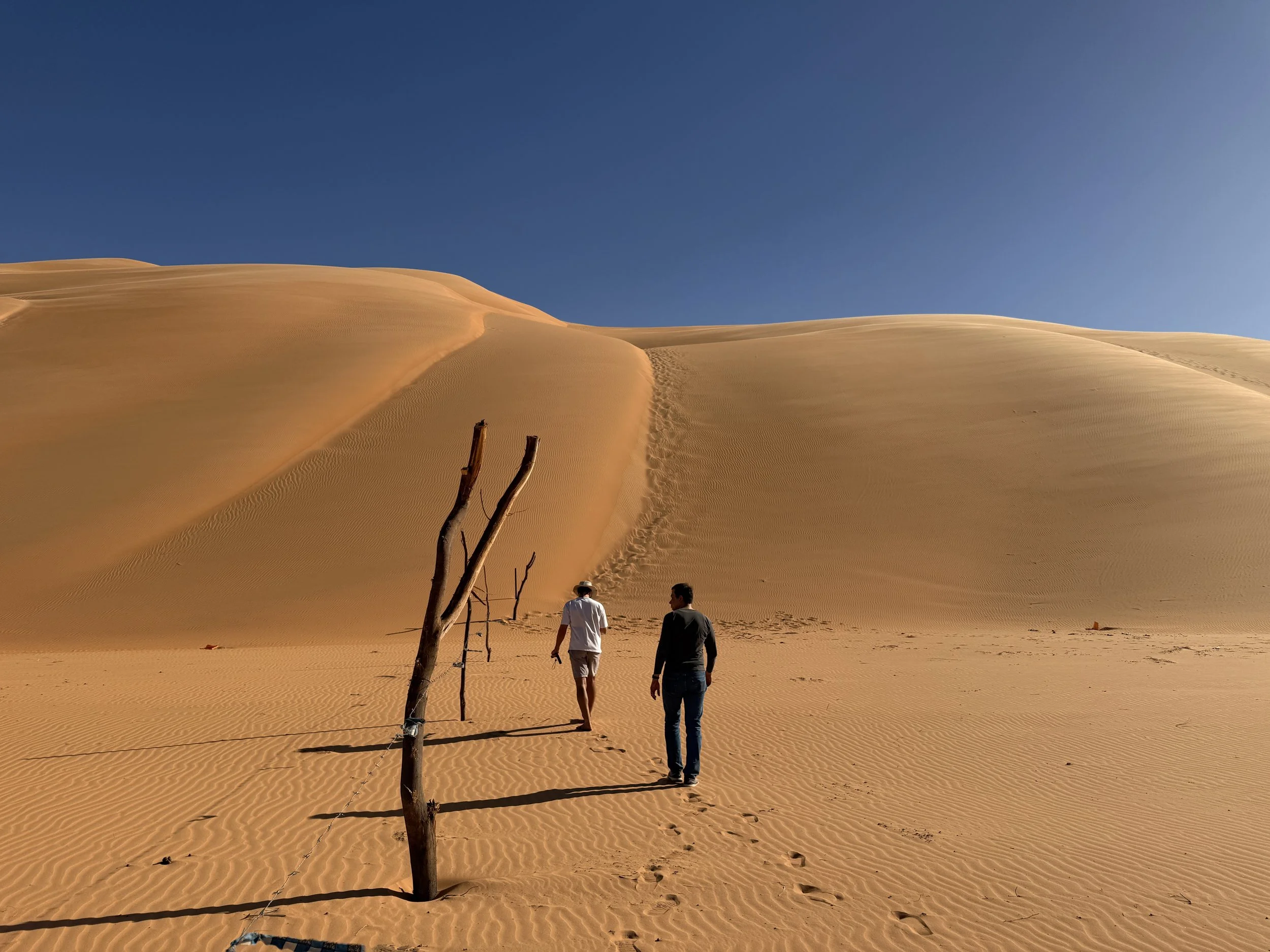
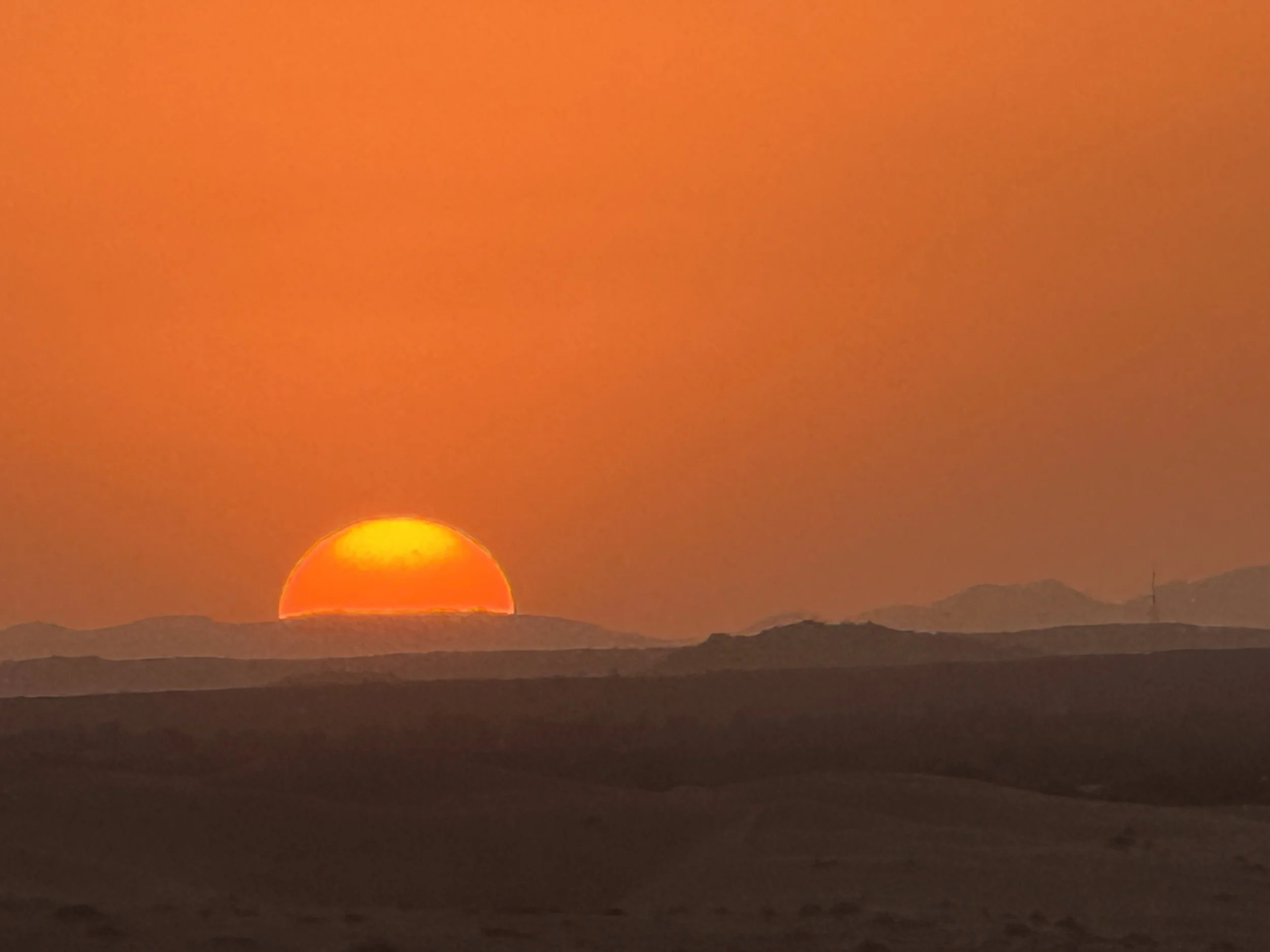
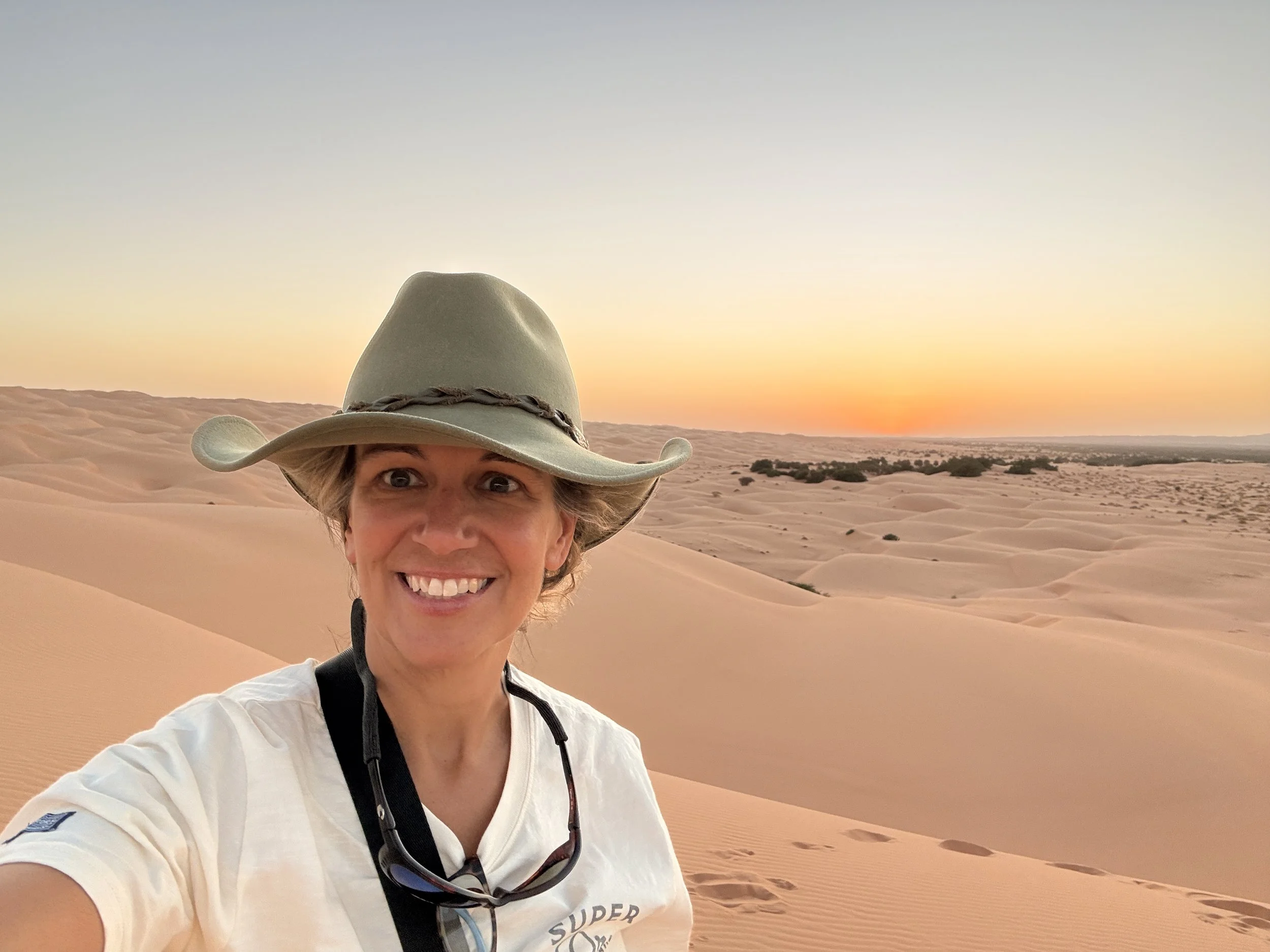
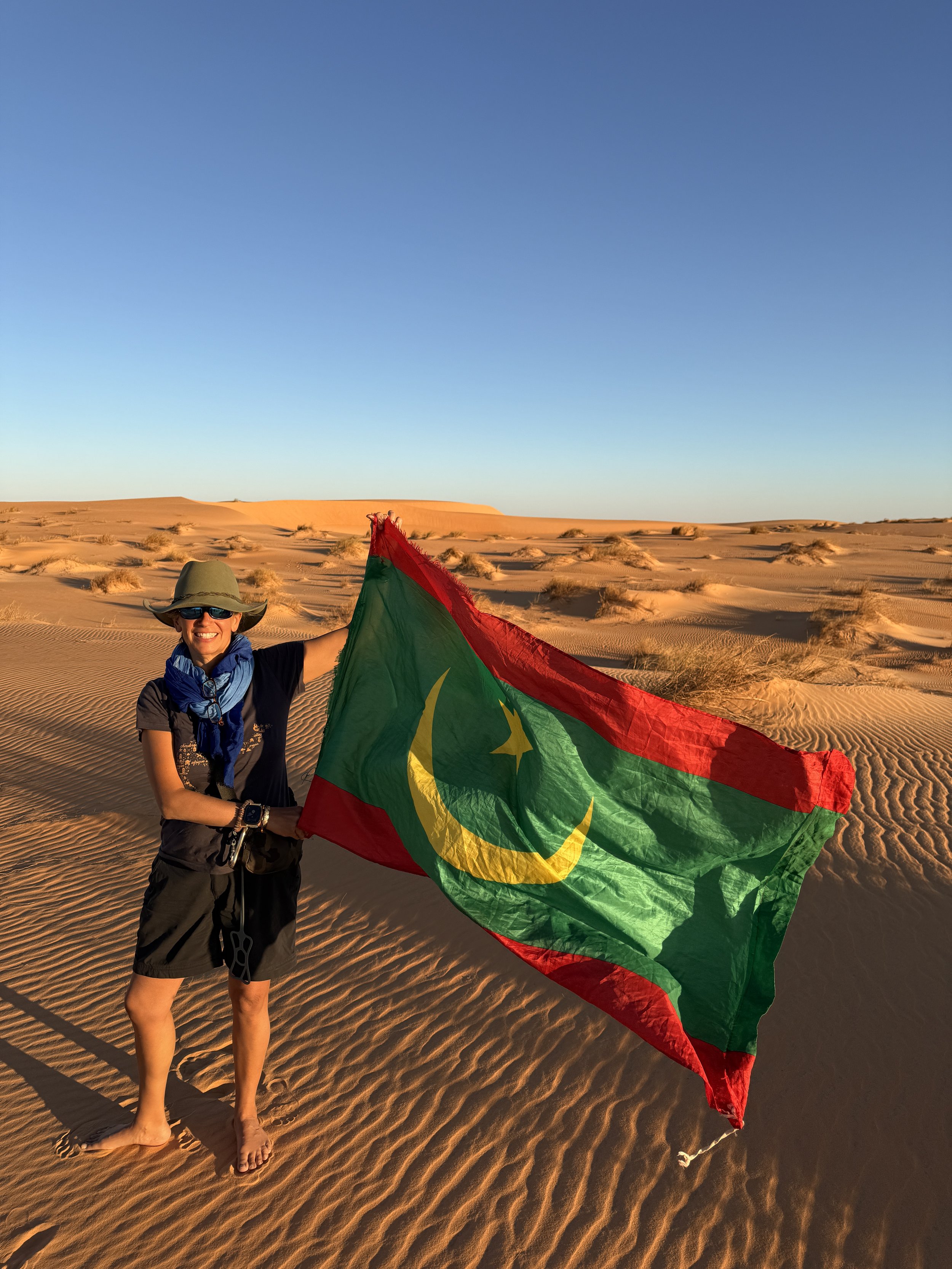
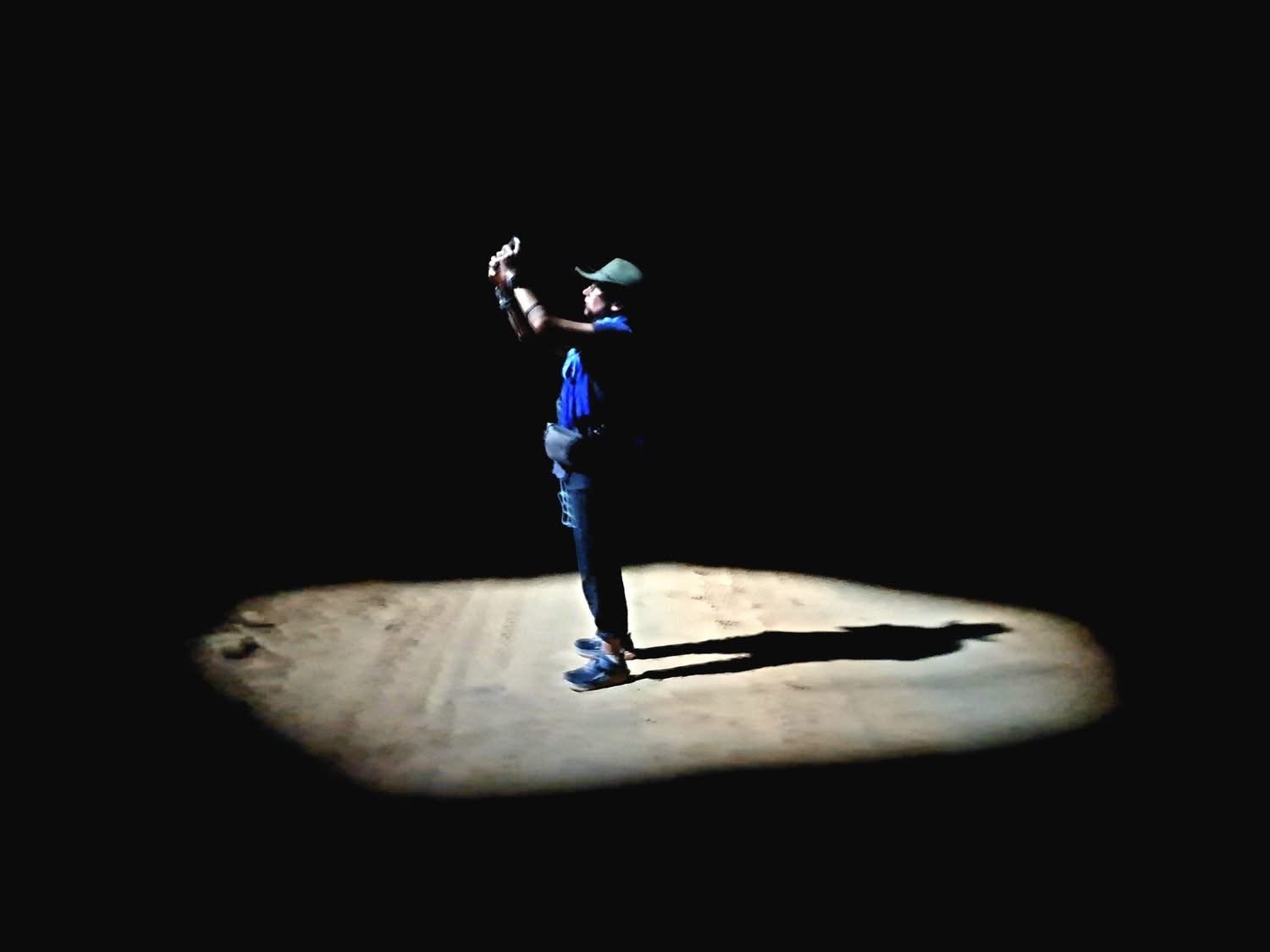
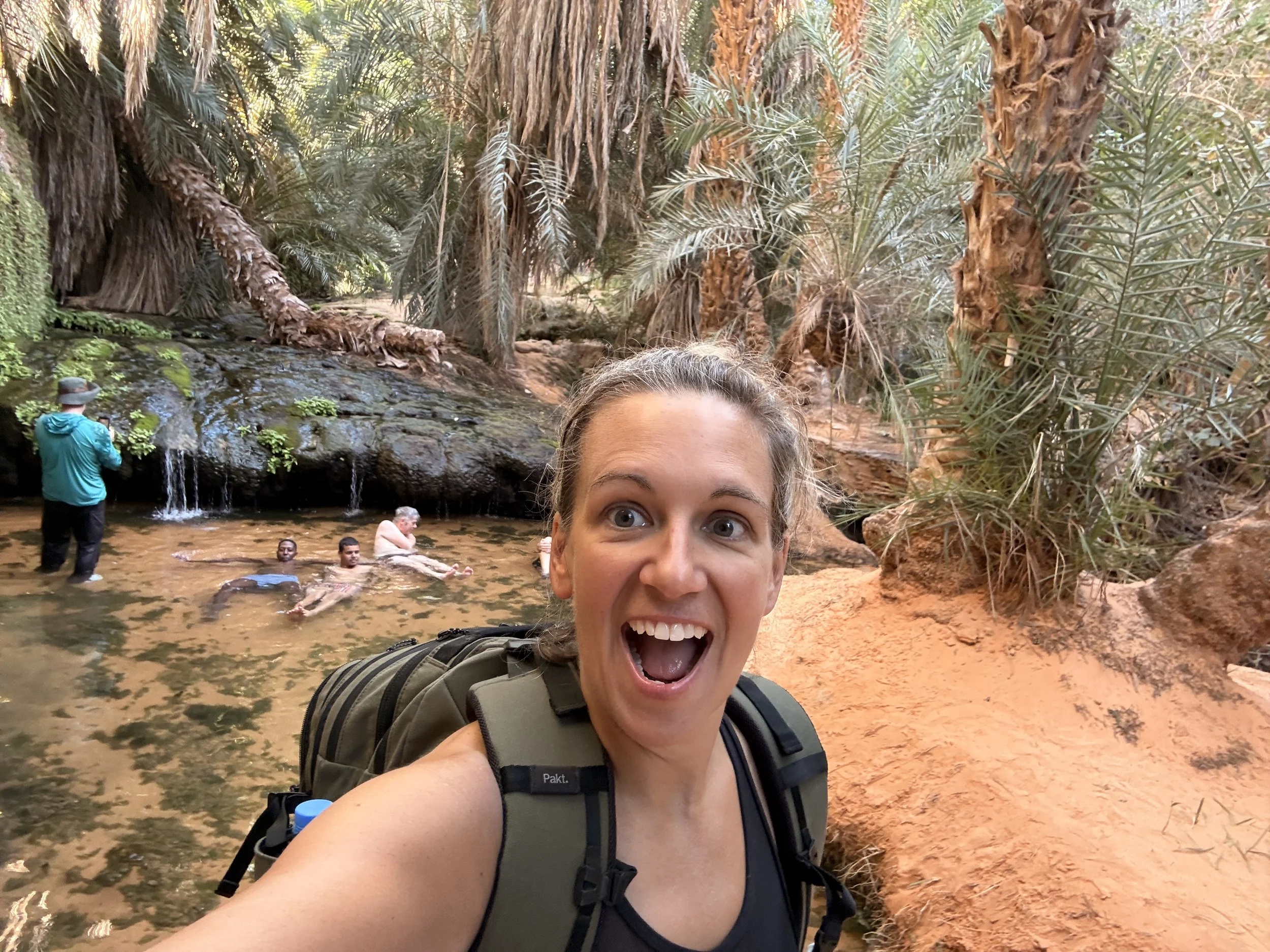
One night, I camped out in the middle of the desert—no cities, no noise, no distractions. Just the stillness of the Sahara and a sky so filled with stars it didn’t feel real. Another day brought a completely different kind of surprise: an oasis hidden in the desert where I climbed up rocky edges and jumped into cool, clear water. It felt surreal—like discovering life in a place that seems impossible. And then there was the Eye of the Desert, a massive natural formation that looks almost otherworldly from above, reminding you just how much of this planet remains unexplored and awe-inspiring.
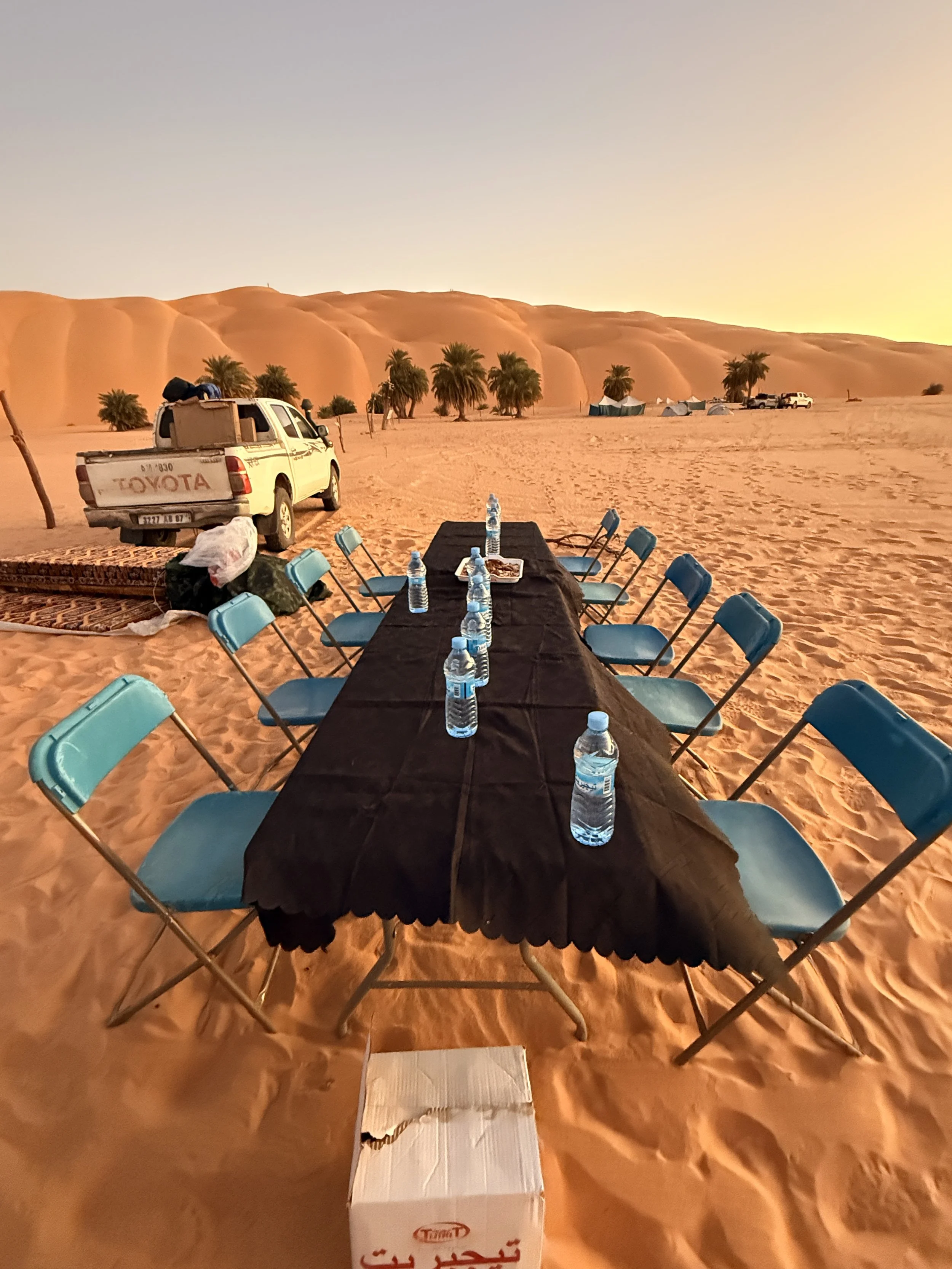
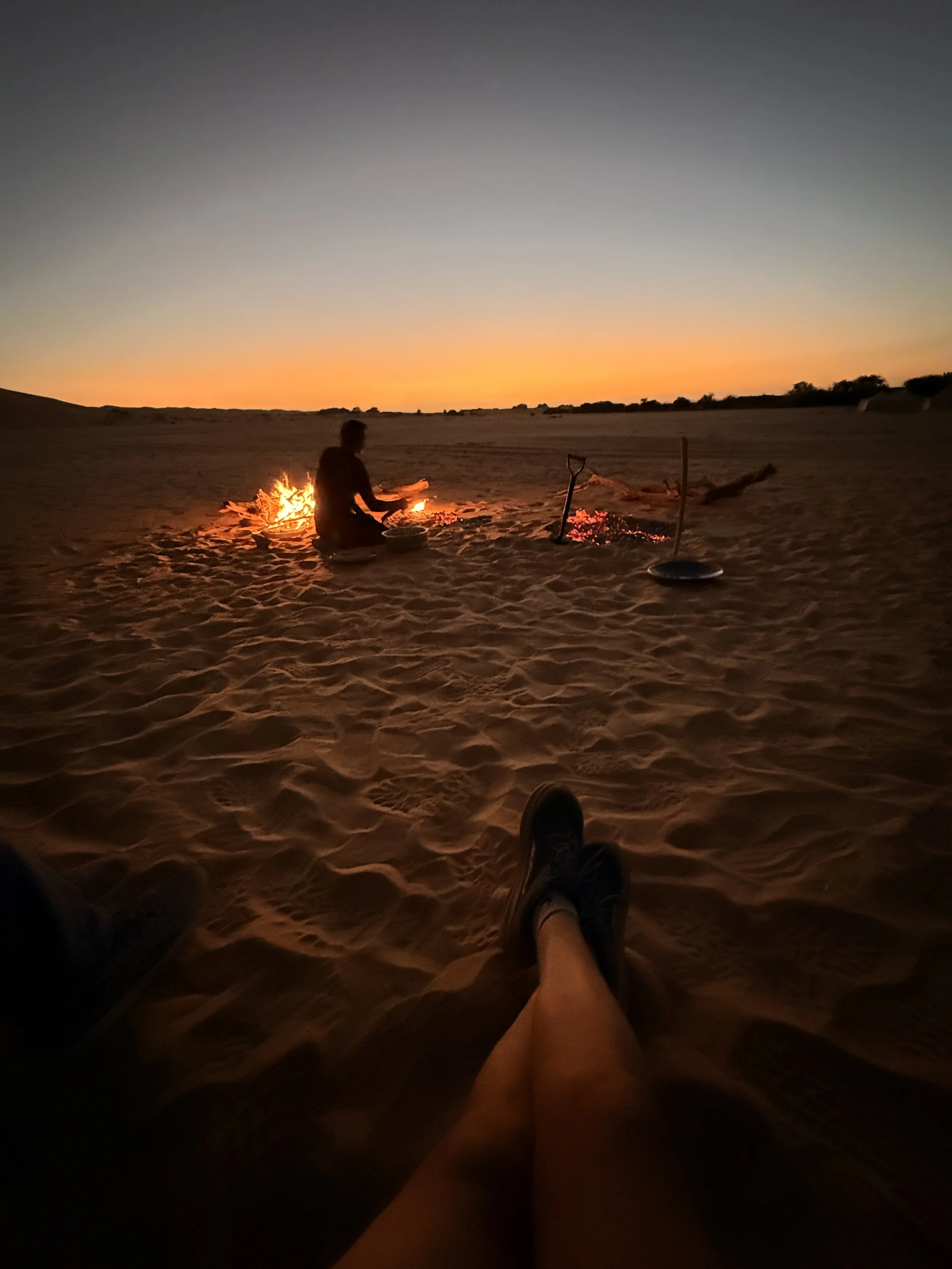
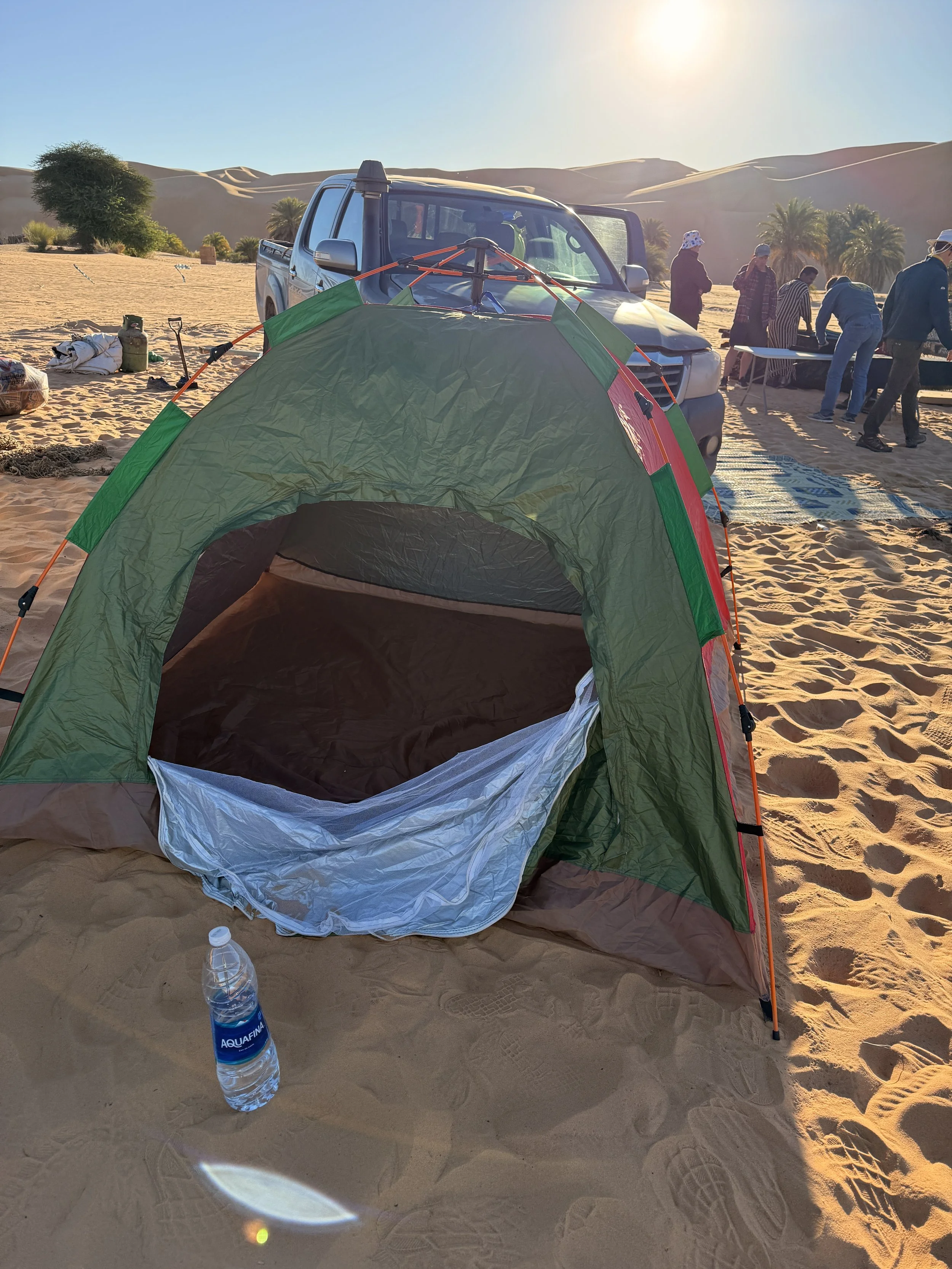
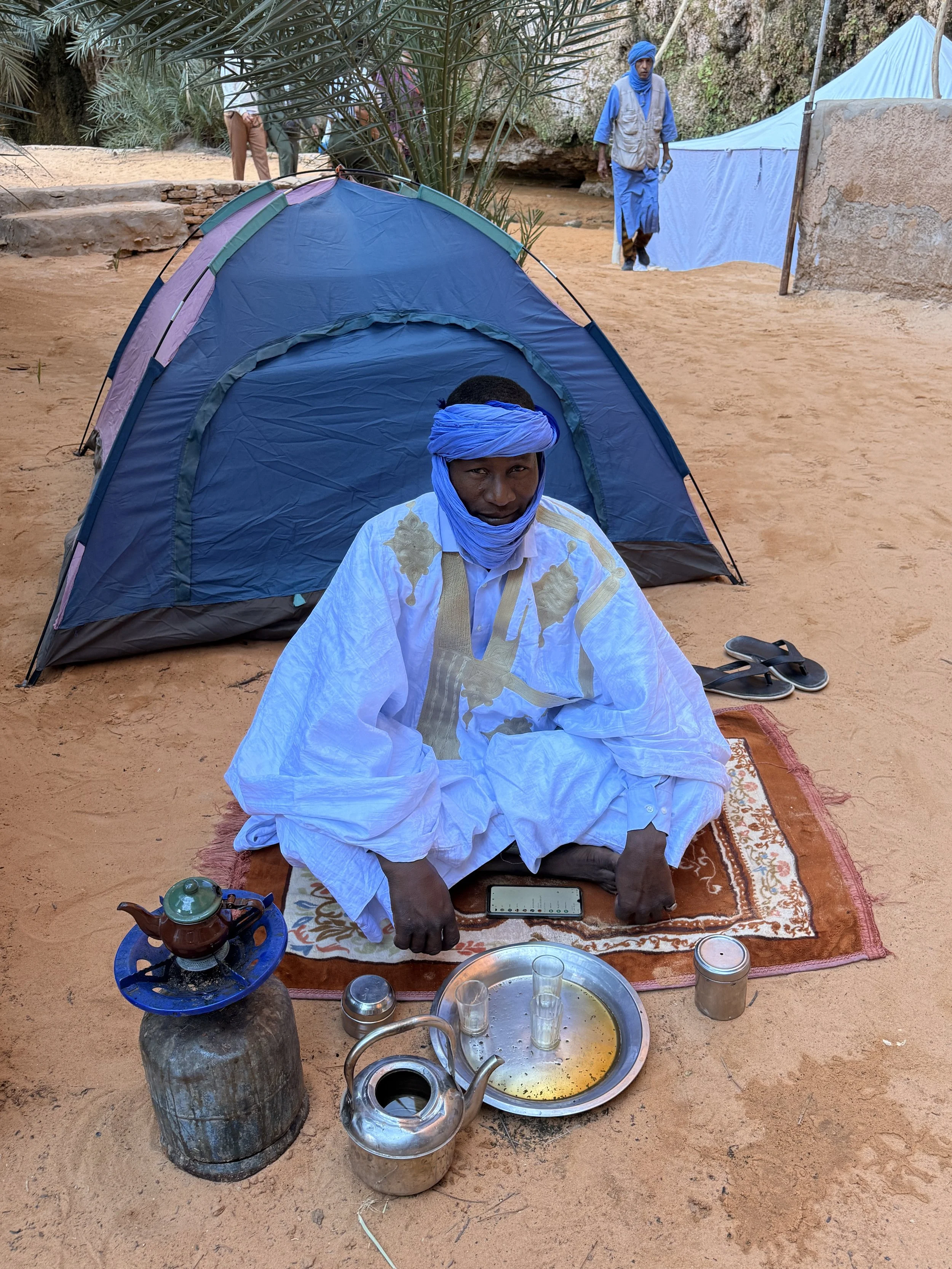
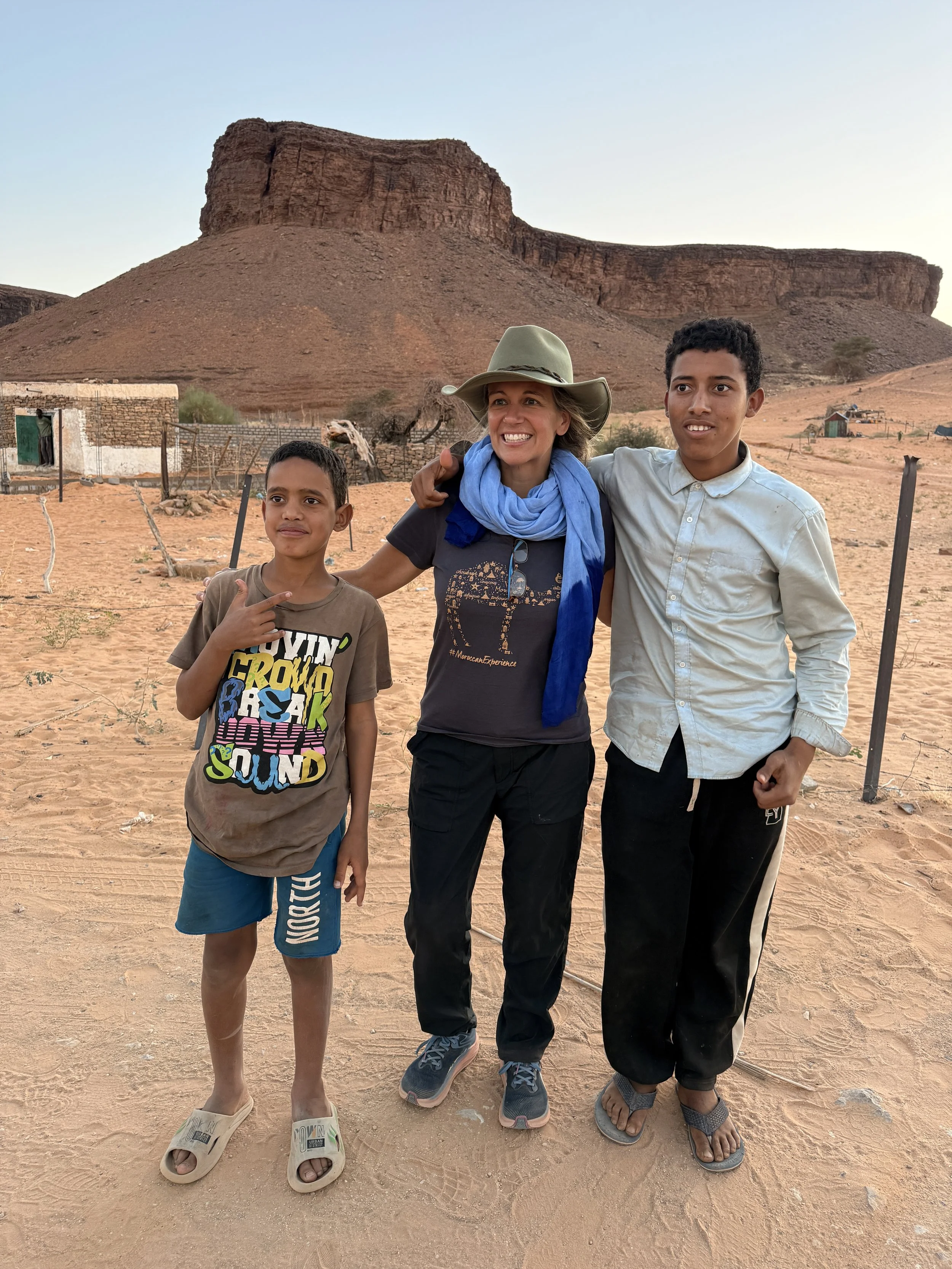
But what stayed with me most wasn’t just the landscape—it was the people. The kindness of the Mauritanian people is something I will never forget. We were invited to a local gathering filled with music and singing, and before long, we were dancing alongside everyone else, laughing and moving to rhythms that needed no translation. It went on well into the evening, and in those moments, it didn’t matter where we were from—we were simply people, sharing joy.
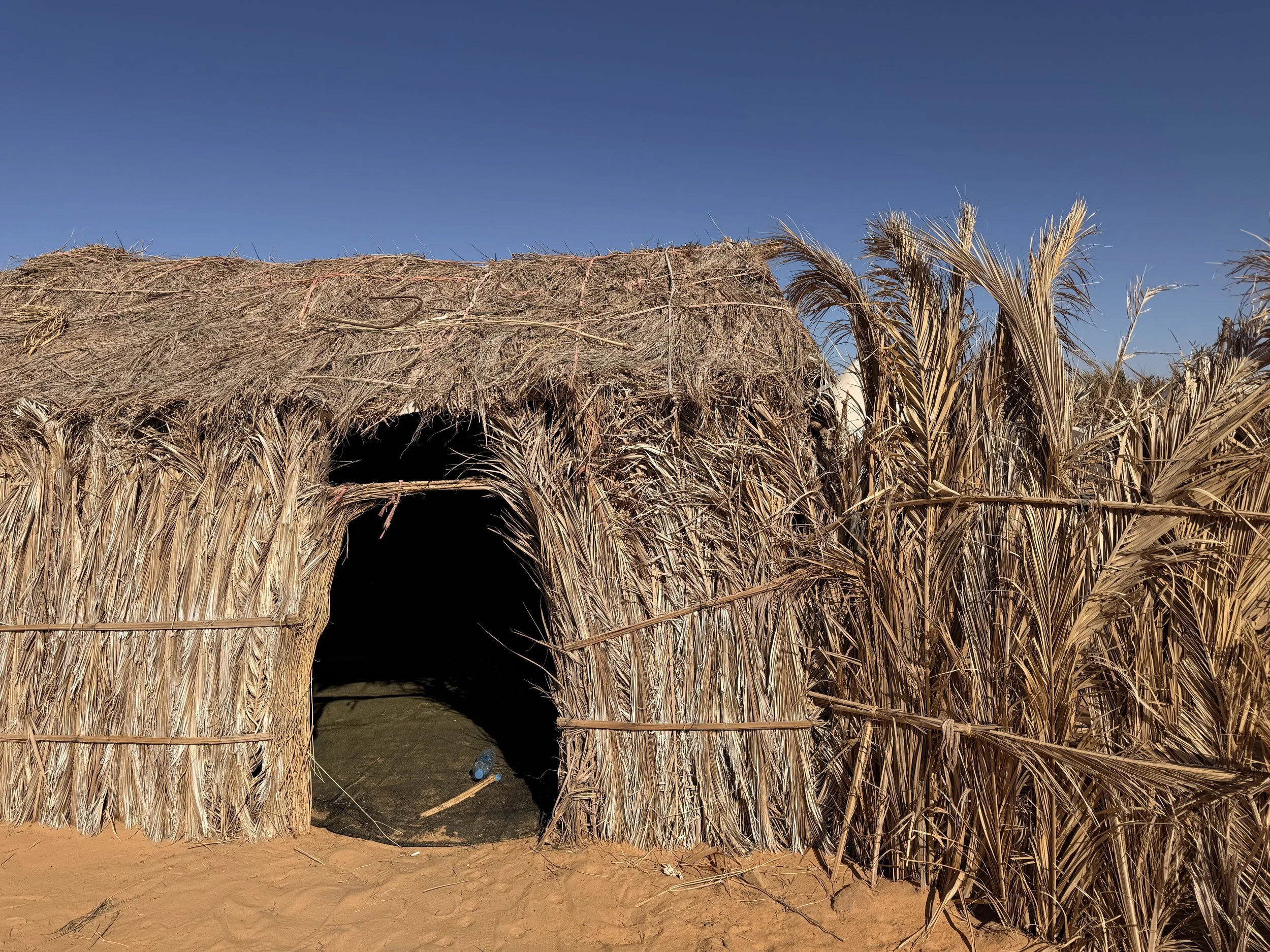
In another village, I met a local shaman who is the guardian of thousands of ancient manuscripts—some hundreds of years old—carefully preserved and passed down through generations. Sitting with him, listening to the stories of his family and the region, I was struck by the deep respect for history, knowledge, and tradition. As a Muslim community, there is such a strong sense of stewardship and continuity, and yet at the same time, an openness and warmth toward visitors that breaks down so many misconceptions. It reminded me that, at our core, we are far more alike than we are different.
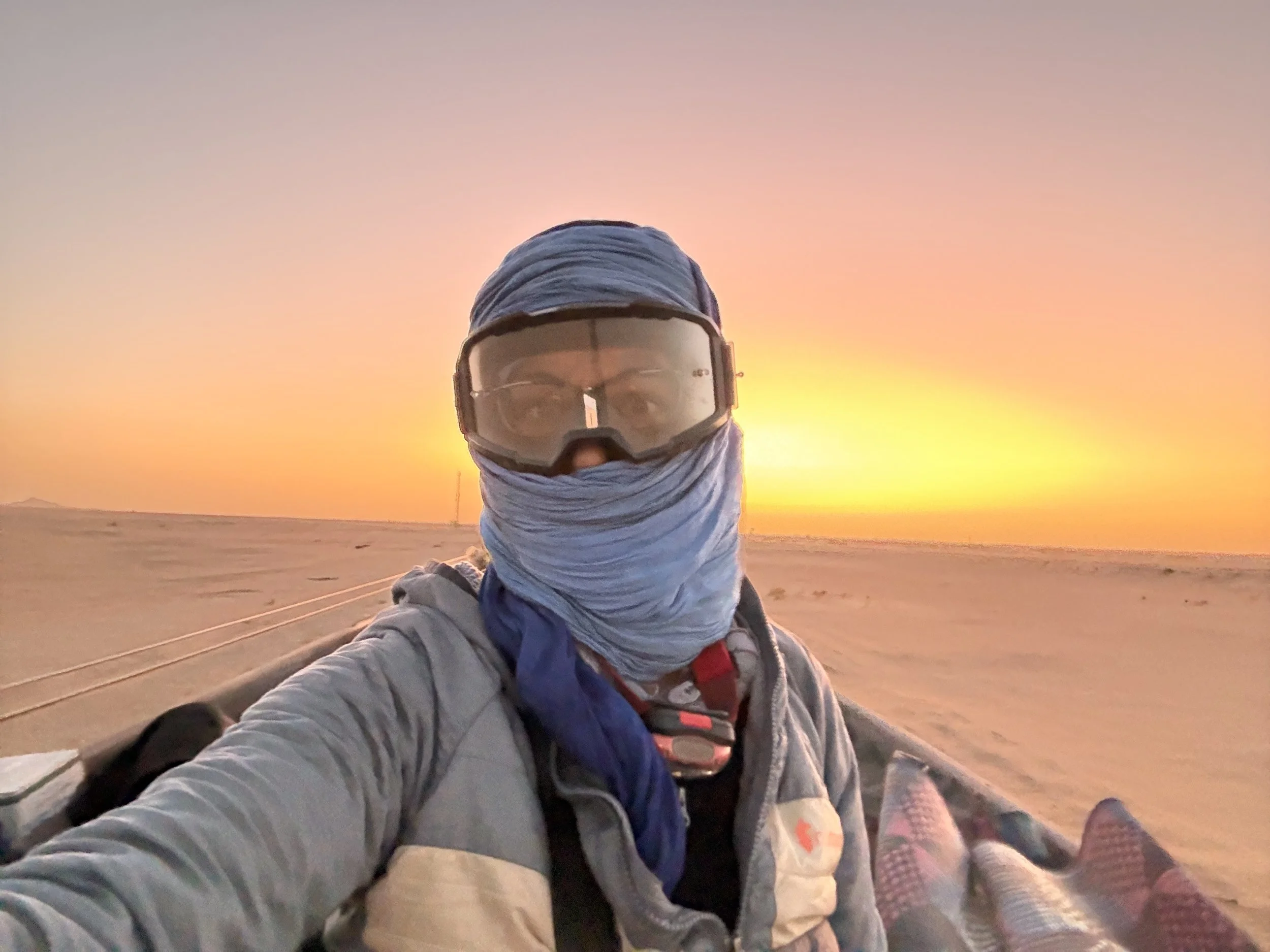
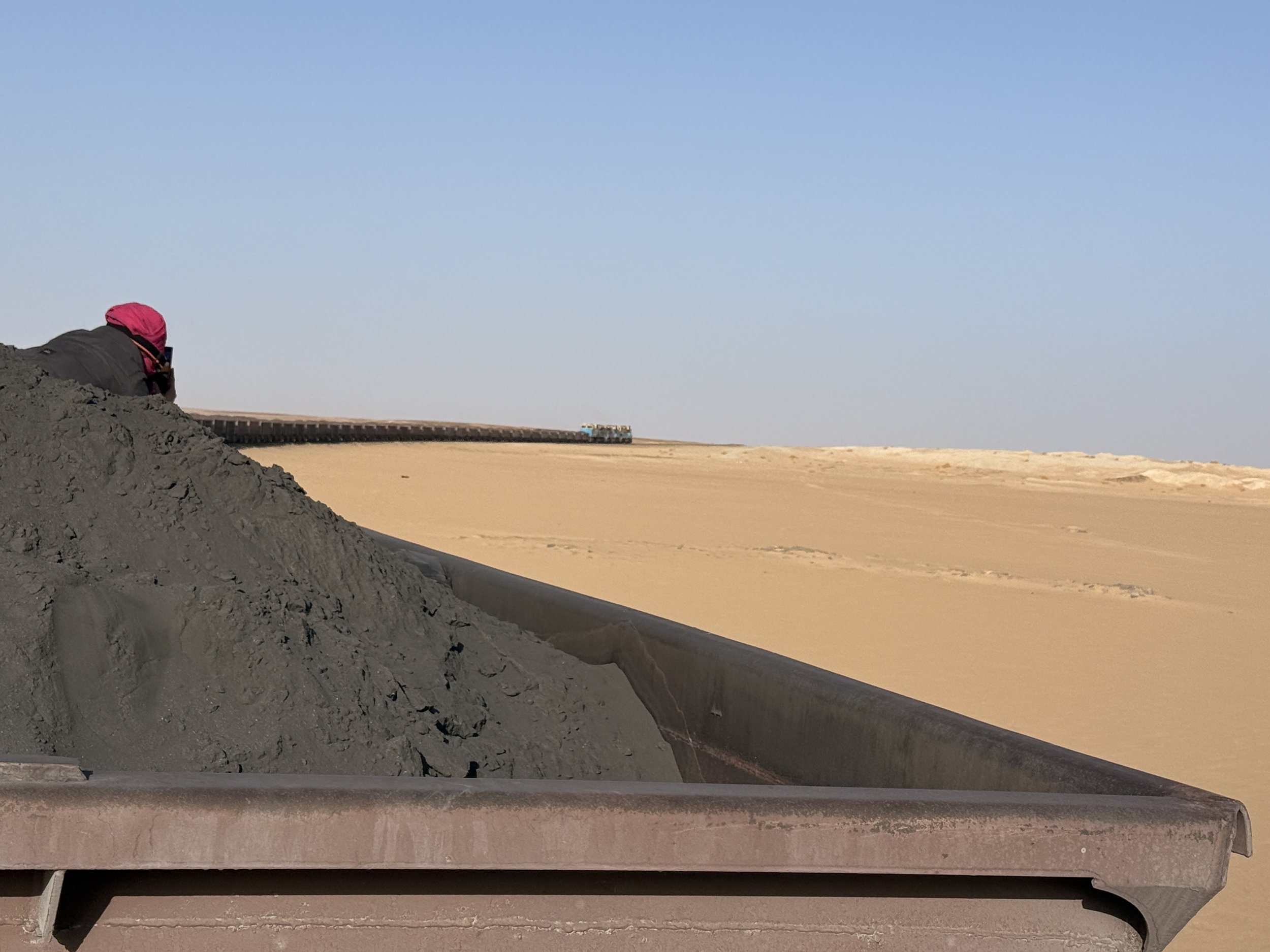
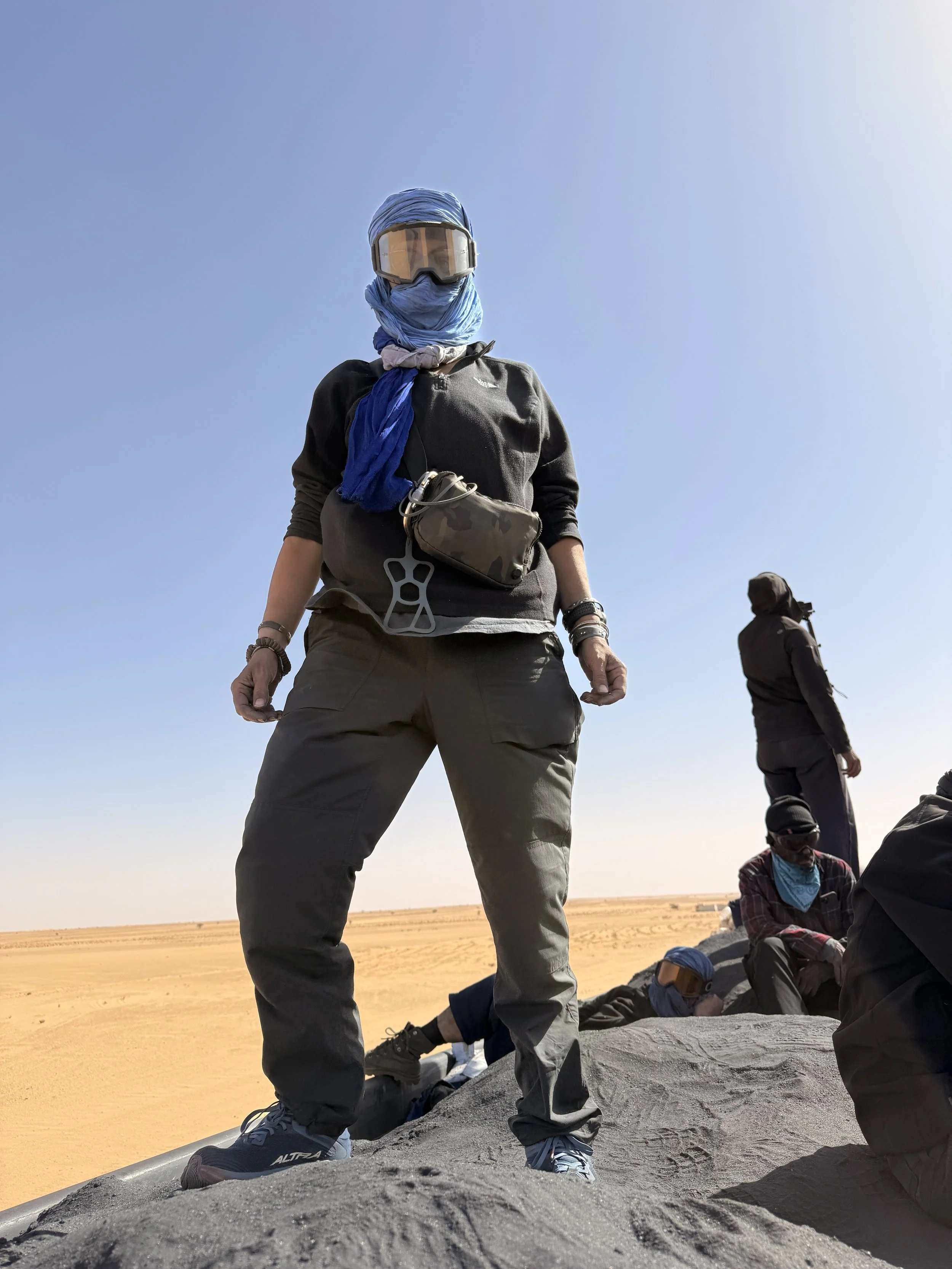
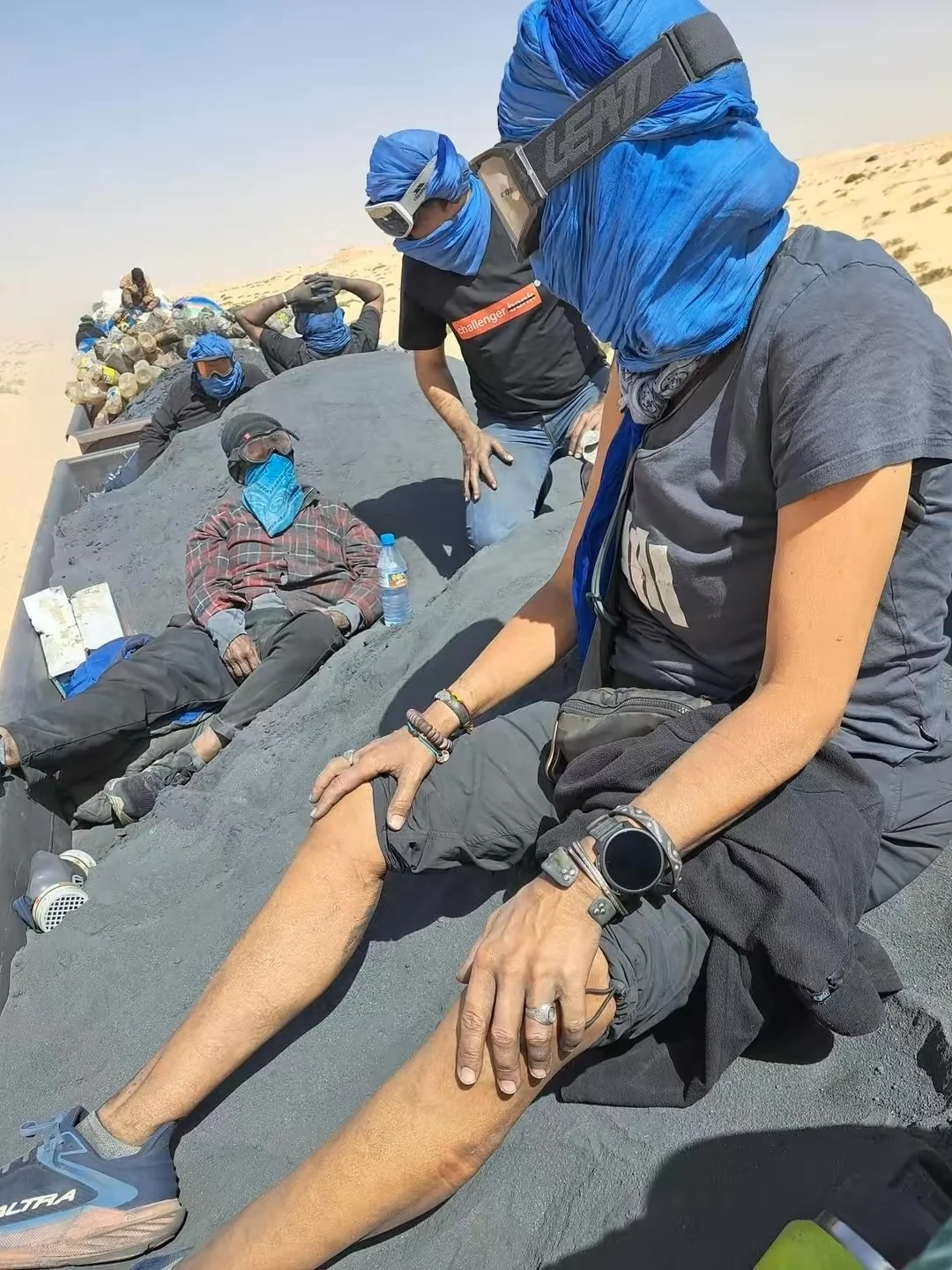
Of course, Mauritania challenges you, too. The iron ore train—16 hours across the desert, covered in iron dust—is as gritty as it gets. And yes, the next night in a hotel, I spent more time cleaning iron ore out of the bathroom than actually showering. Not glamorous, but somehow part of the story. It’s in these moments—the uncomfortable, the unexpected—that the experience becomes real.
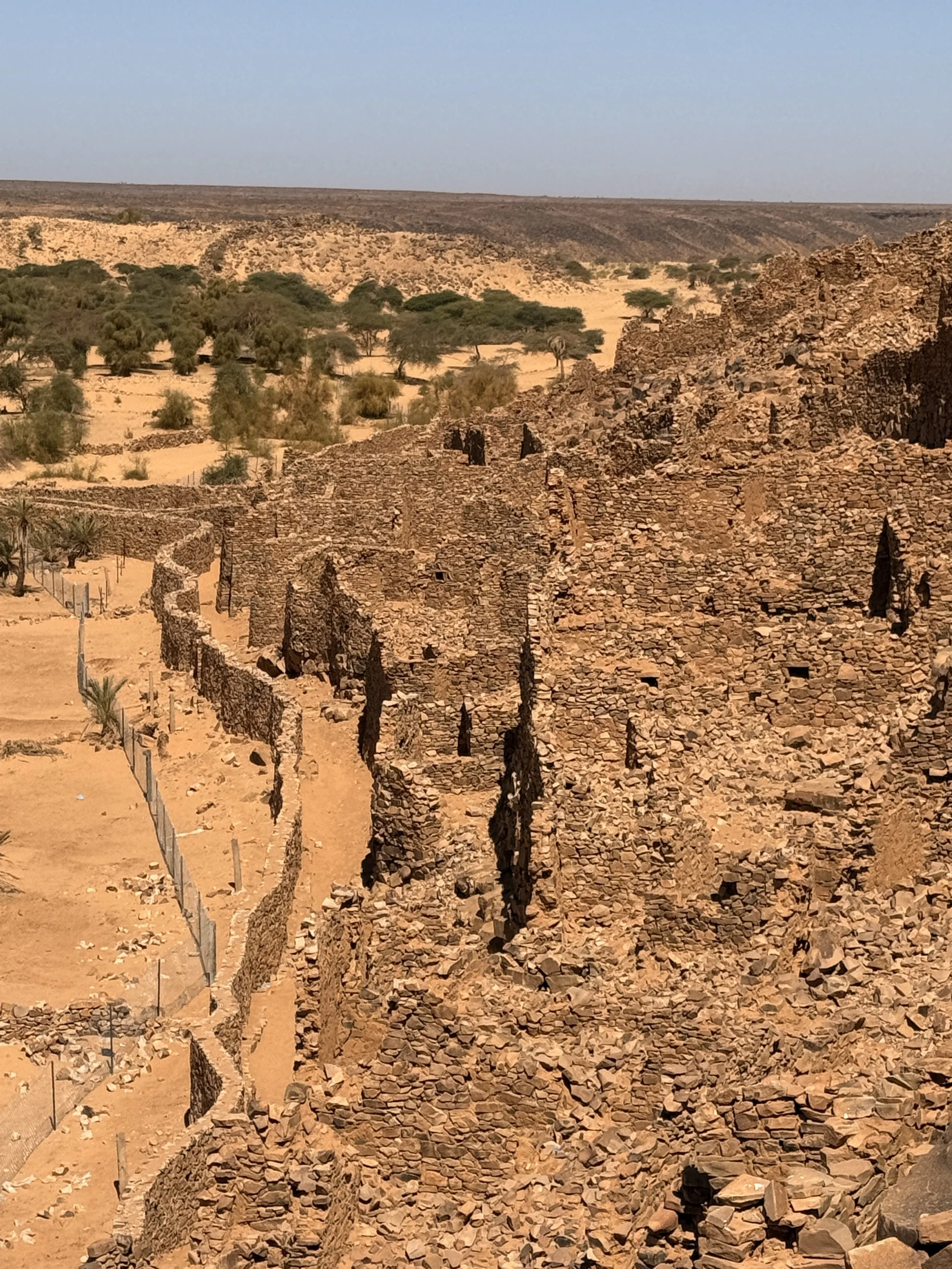
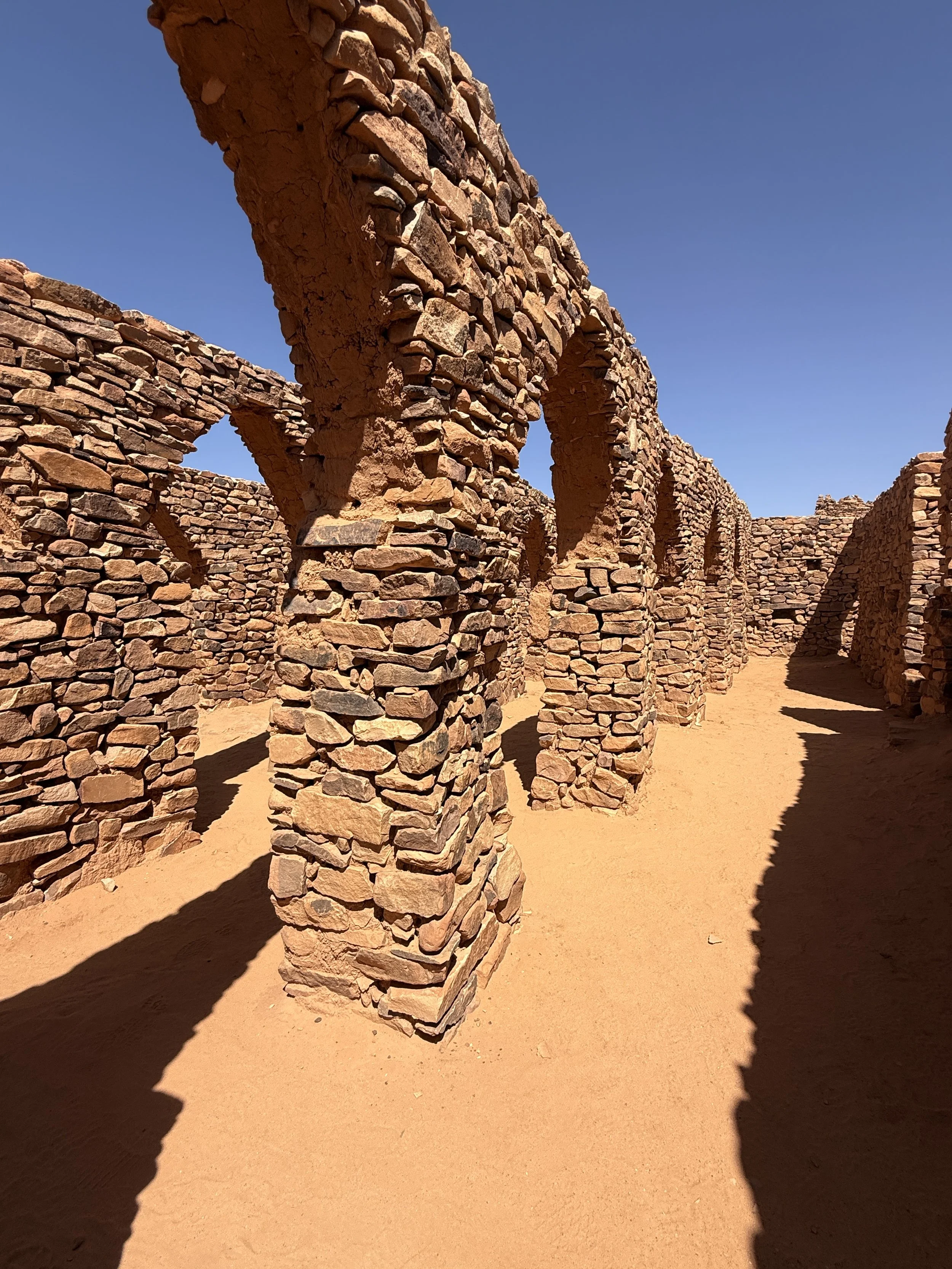
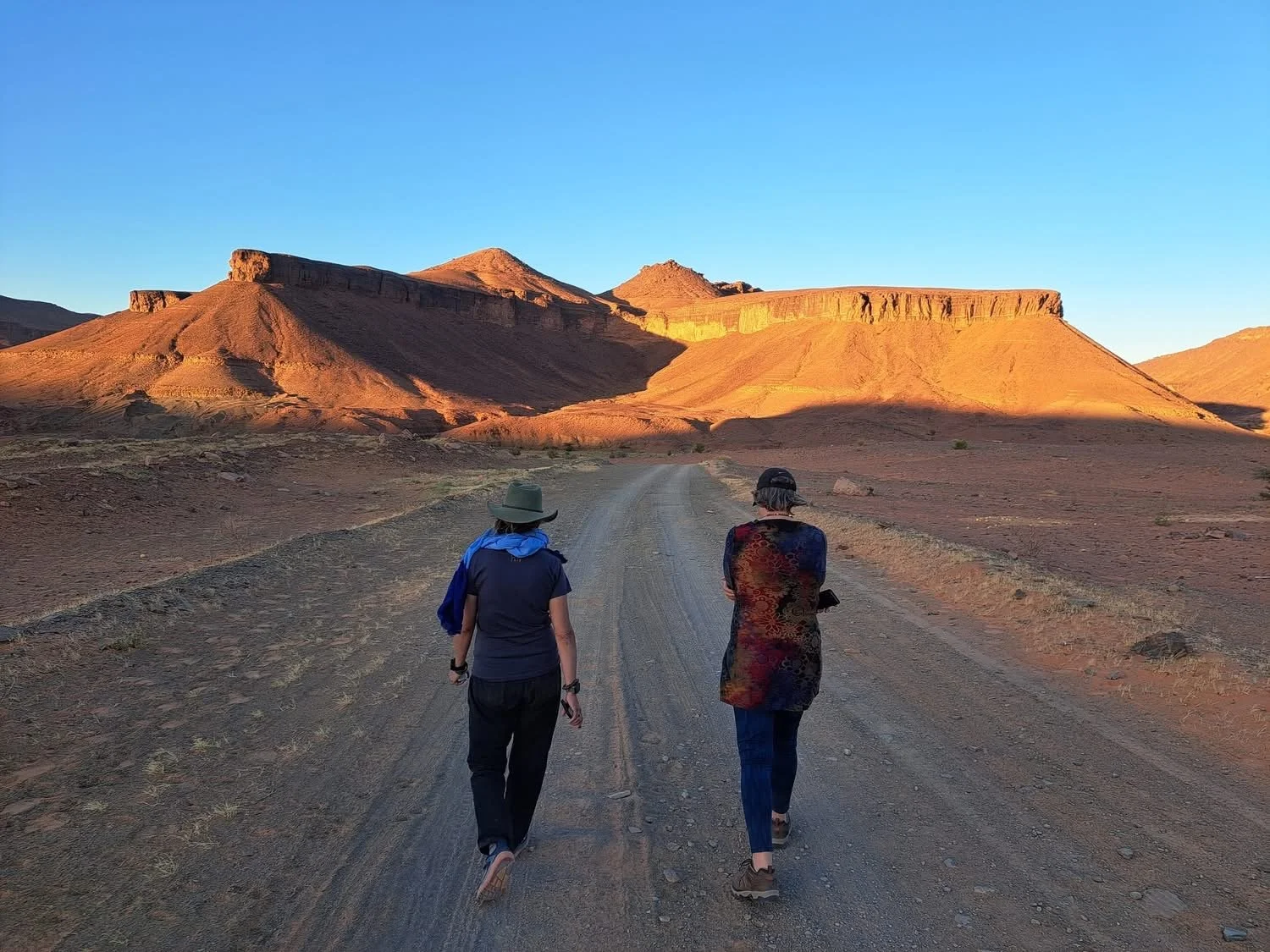
Walking through an abandoned desert town where nearly 10,000 people once lived, now reduced to fewer than 100, you can feel the passage of time in a way that’s almost overwhelming. A crumbling castle, sand slowly reclaiming the buildings—it’s a powerful reminder of how temporary everything is, and how resilient people must be to live in a place like this.
Traveling solo here isn’t about ease—it’s about courage. It’s about trusting yourself in environments that push you and realizing just how capable you are. At 51, I’ve never felt more confident, more curious, or more connected to the world around me. Mauritania showed me that adventure has no age limit—and that some of the most meaningful experiences come when you step far outside your comfort zone.
Because at the end of the day, it’s not just about the places you go—it’s about the people you meet, the perspectives you gain, and the realization that the world isn’t as divided as we sometimes think. And that, more than anything, is why I travel.
